
Somatic Archetypes
-

The Over-Efforter
You’re carrying too much—and your body knows it.
###
Core Pattern
You’ve learned to succeed by doing.
You prepare, focus, and follow through. You hold things together under pressure.
Over time, effort becomes the way performance is maintained.
What once felt like dedication now shows up as tension, fatigue, and the sense that if you stop, something will drop.
What’s Happening Somatically
Effort increases to stabilize performance.
Muscles that once supported precision begin to hold it in place.
Breath becomes restricted or managed.
Coordination gives way to control.Performance continues.
But it requires more effort than it should..
The Pattern
This is not a flaw. It is a pattern that formed because it worked.
Effort became reliable. And over time, it became constant.
The Opportunity
Performance does not require constant effort. When coordination improves, effort decreases without loss of precision. Stability comes from organization, not holding.
You can still bring discipline, skill, and intensity. But without carrying unnecessary strain.
Somatic Invitations
Practice micro-pauses. Let one exhale finish completely before the next inhale arrives.
When you catch yourself “trying harder,” ask: What am I bracing against?
Experiment with 5 % less effort in your hands, jaw, and ribs.
Sense the ground’s support under you before beginning a phrase, class, or conversation.
Your Next Step with mBODYed
If this pattern is familiar, the next step is not to try harder.
It is to see how effort is organizing your performance and begin changing it with structure.
Start with a Somatic Mapping Session.
Free Resource: Why Over-Efforting is Not a Problem
You don’t need more control.
You need a different way of organizing effort.
-
The Burned Out
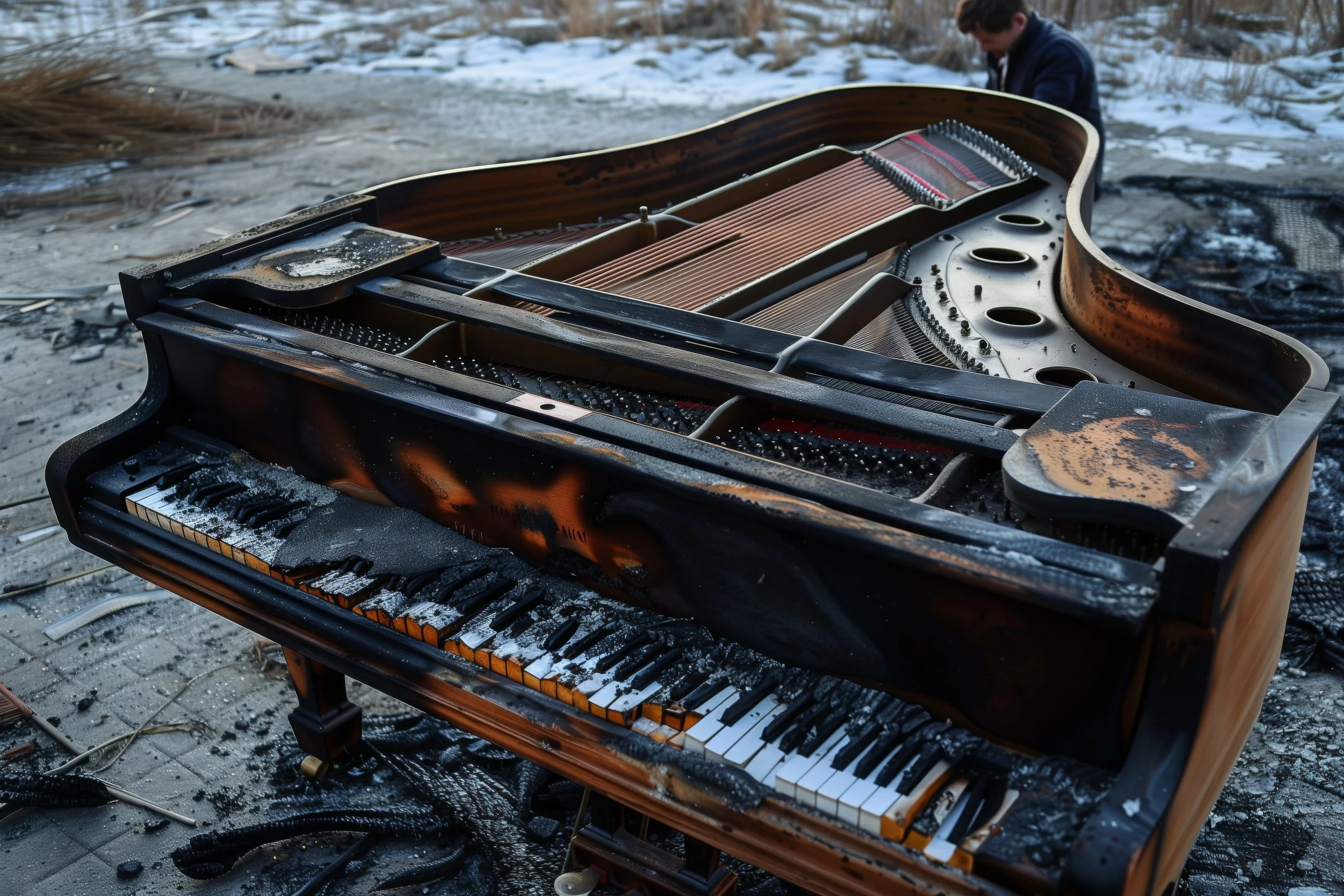
Your system is asking for deep restoration, not more doing.
###
Core Pattern
You’ve sustained a high level of output for a long time.
You showed up, delivered, and carried responsibility even as the cost increased.
Now the same level of effort no longer produces the same return.
Energy is lower. Recovery is slower. Work that once felt direct now feels heavy or distant.
What’s Happening Somatically
The system is no longer recovering between demands.
Energy does not fully return.
Posture and coordination lose support.
Breath becomes reduced or inconsistent.Performance is still possible.
But it takes more out of you than it gives back.
The Pattern
This is not a loss of discipline.
It is the result of sustaining performance without sufficient recovery.
What once worked has accumulated.
And the system no longer resets on its own.
Opportunity
Recovery can be restored.
When the system begins to resolve effort between demands, energy returns without forcing it.
You do not need to push through this.
You need to rebuild the ability to recover.
Somatic Invitations
Lie on the floor and let gravity hold you.
Let warmth, texture, or ambient sound invite you into presence.
Replace “motivation” with “permission.”
Let the breath find you before you try to find it.
Next Step
If this pattern is familiar, the work is to restore recovery, not increase effort.
Start with a Somatic Mapping Session or the self-paced Get Back in Your Body course.
Free Resource: Your Nervous System
Energy returns when recovery returns.
-
The Impostor
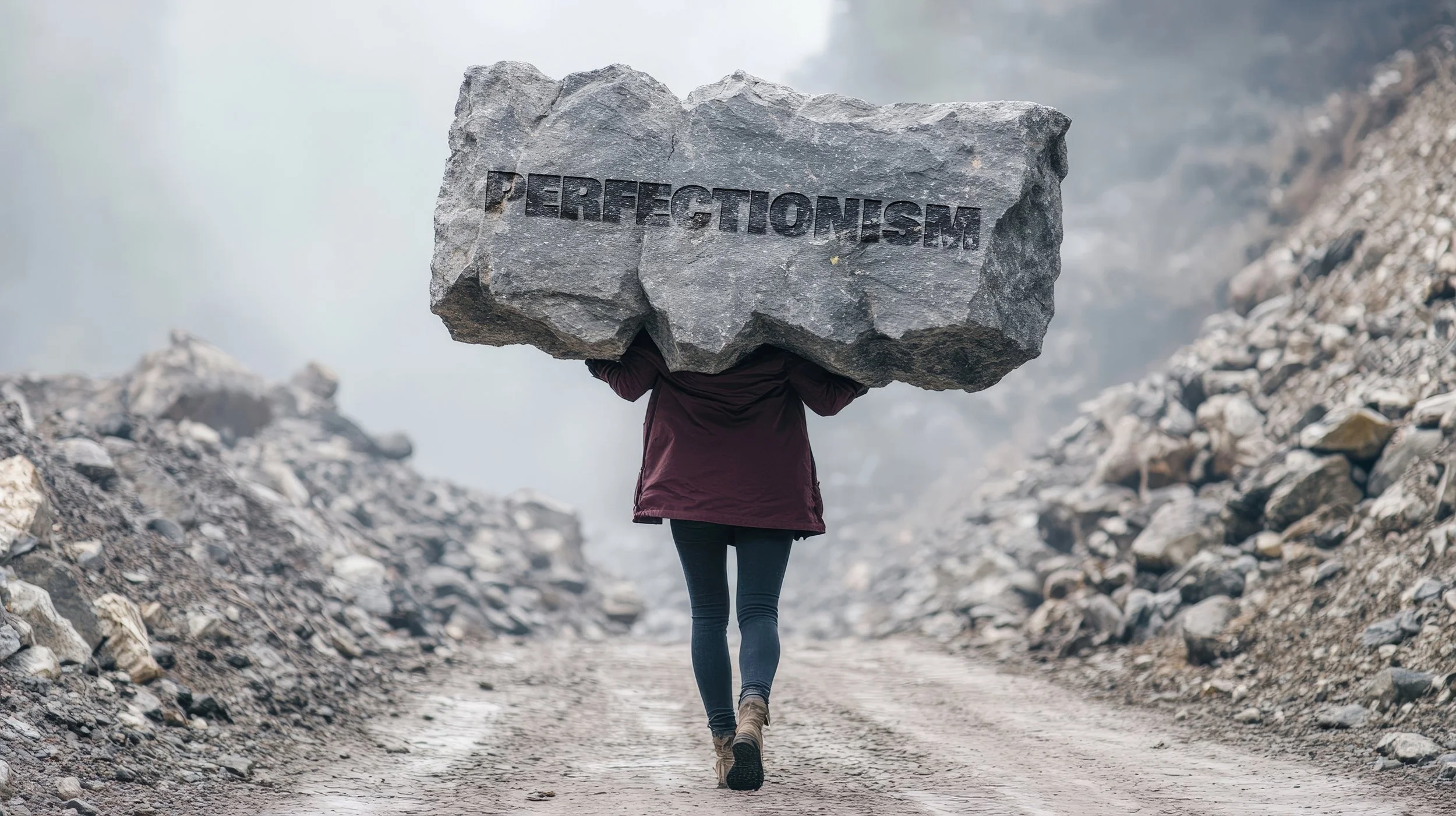
You know your craft—but your body hasn’t caught up to believing it.
###
Core Pattern
You have the skill and experience to perform at a high level. But under evaluation, something changes.
Attention shifts toward how you are being perceived. Performance becomes more controlled. Effort increases to avoid mistakes.
From the outside, you appear composed.
Internally, performance requires more management than it should.
What’s Happening Somatically
Performance begins to organize around evaluation.
Breath tightens when you are seen or expected to deliver. Effort increases to maintain control. Movement becomes more careful and less responsive.
You are not lacking ability.
You are managing how you are perceived while performing.
The Pattern
This is not a lack of confidence.
It is a pattern where performance is organized around avoiding error rather than expressing skill.
Over time, control replaces responsiveness.
And performance becomes more effortful than it needs to be.
The Opportunity
Performance does not require constant self-monitoring.
When attention returns to the task, coordination becomes more direct.
You can perform with the same level of precision without managing how you are being perceived.
Somatic Invitations
Before beginning, notice where your attention is.
Shift it from how you are being seen to what you are doing.
Let the first action begin without correcting it.
Next Step
If this pattern is familiar, the work is to reorganize how performance responds to evaluation.
Start with a Somatic Mapping Session.
If you often feel responsible for everyone else’s comfort, you may be experiencing what’s called the fawning response.
Watch this video to learn how it shows up in musicians — and how awareness begins to free you.
Performance improves when attention returns to the work.
-

The Disconnected
You’ve been surviving by numbing—now it’s time to feel safely again.
###
Core Pattern
You move through your work, but contact with what you’re doing is reduced.
You may not notice tension, effort, or fatigue until after the fact.
Performance continues.
But it can feel mechanical, distant, or harder to adjust in real time.
What’s Happening
Perceptual feedback is reduced.
Sensation is less immediate.
Breath and movement feel less responsive.
Adjustments happen late or not at all.You are still functioning.
But you have less information available while you perform.
The Pattern
This is not disengagement.
It is a pattern where sensitivity has been reduced to maintain stability under pressure.
It works by limiting input.
Over time, that limits responsiveness.
The Opportunity
Sensitivity can be restored gradually.
As perception becomes clearer, coordination becomes more adaptable.
You regain the ability to respond in real time rather than after the fact.
Try This
Pause briefly during a task.
Notice one clear physical point of contact.
Do not change it. Just register it.
Your Next Step
If this pattern is familiar, the work is to restore perceptual clarity during performance.
Start with a Somatic Mapping Session or work at your own pace in the course Get Back in Your Body.
Try the Five-Minute Grounding Meditation
Performance improves when you can sense what is happening as it happens.
-

The Seeker
You’ve started listening—now it’s time to deepen the conversation.
###
Core Pattern
You already recognize that how you use yourself affects how you perform.
You’ve explored these ideas and can often notice what’s happening.
But under pressure, consistency drops.
Insight is present. Application is not yet reliable.
What’s Happening
Awareness is available, but not stable.
You notice patterns after the fact.
You can make changes in low-demand situations.
Under pressure, earlier habits return.You are not starting from zero.
But the work is not yet integrated into performance.
The Pattern
This is not confusion.
It is a transition point where understanding has developed, but consistency has not.
You know what to do.
The system does not yet do it under load.
The Opportunity
This stage is about integration.
As consistency improves, awareness begins to hold under pressure.
You are able to apply what you know in real time, not just reflect on it afterward.
Try This
Choose one moment in your work.
Apply one change you already understand.
Keep it simple. Do not add more.Repeat it under similar conditions.
Your Next Step
If this pattern is familiar, the work is to stabilize what you already know so it holds under pressure.
A structured course or coaching can support this stage.
Consistency turns awareness into performance.
-

The Integrator
You embody the work—and you’re ready to share it.
###
Core Pattern
Your performance is stable across conditions.
You are able to sense what is happening and respond without adding unnecessary effort.
Changes hold under pressure.
Recovery occurs without forcing it.What you’ve been working on is now consistent.
What’s Happening
Coordination, attention, and breath function together.
Effort matches the task.
Adjustments happen in real time.
Recovery follows demand without delay.You are no longer managing performance.
You are working from it.
The Pattern
This is not the absence of difficulty.
It is the presence of range.
You can meet different demands without relying on a single strategy.
Performance is no longer dependent on control, avoidance, or compensation.
The Opportunity
At this stage, the work expands.
Not by adding more techniques, but by increasing range and responsibility.
You can refine precision, sustain performance across higher demand, and begin supporting others in similar work.
Try This
During a demanding moment, notice what changes.
Allow the system to adjust without interfering.
Confirm that the change holds.
Your Next Step
If this stage is familiar, the work shifts toward refinement and application at a higher level.
Advanced study or training may be appropriate.
Range allows performance to adapt without strain.